Location
Miami, FL
Year
2026
Service
Residential expansion and interior design
Scope
Home Addition
Status
construction
- Home Additions
Grand Canal Residence
About the Project
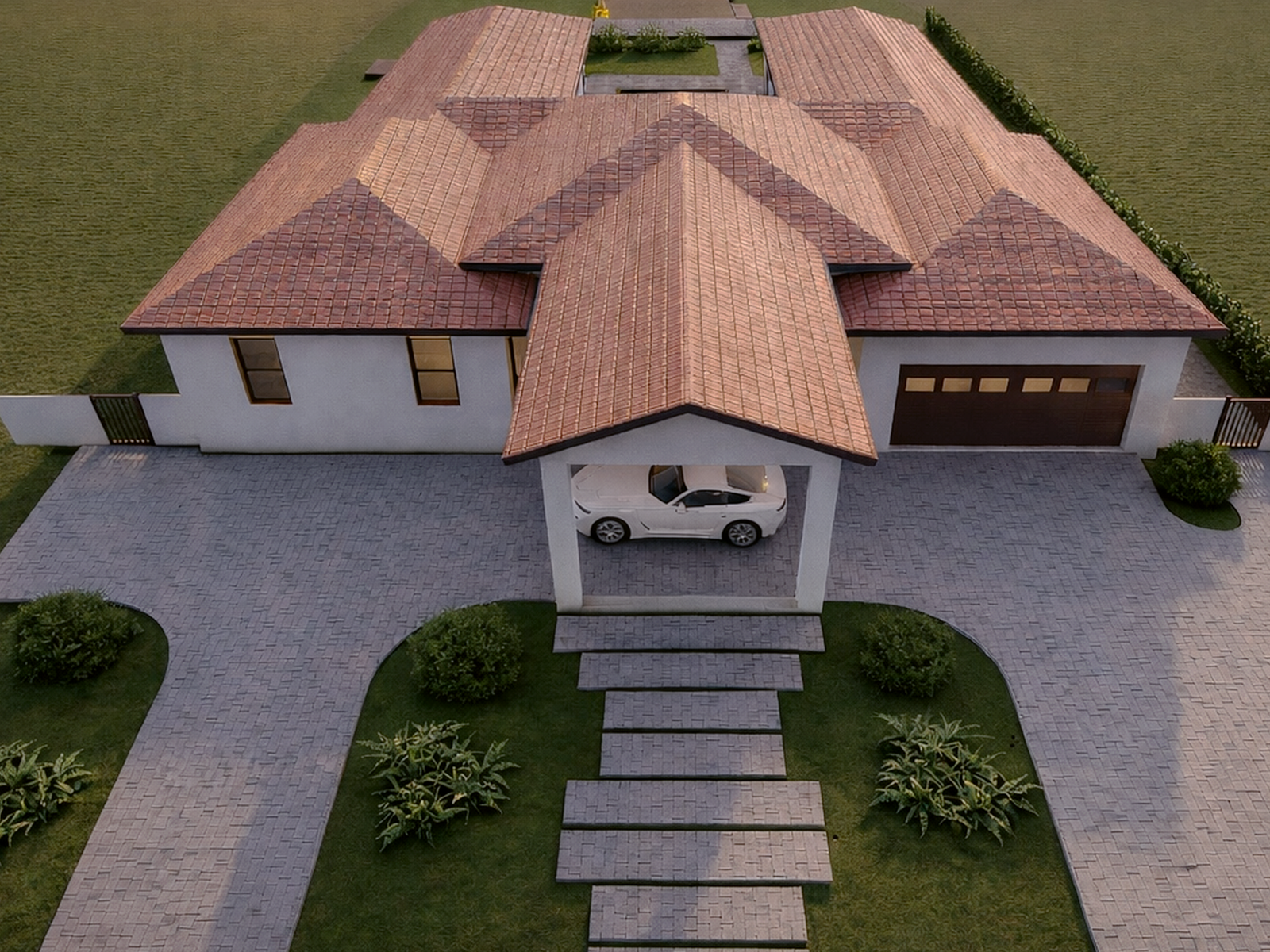
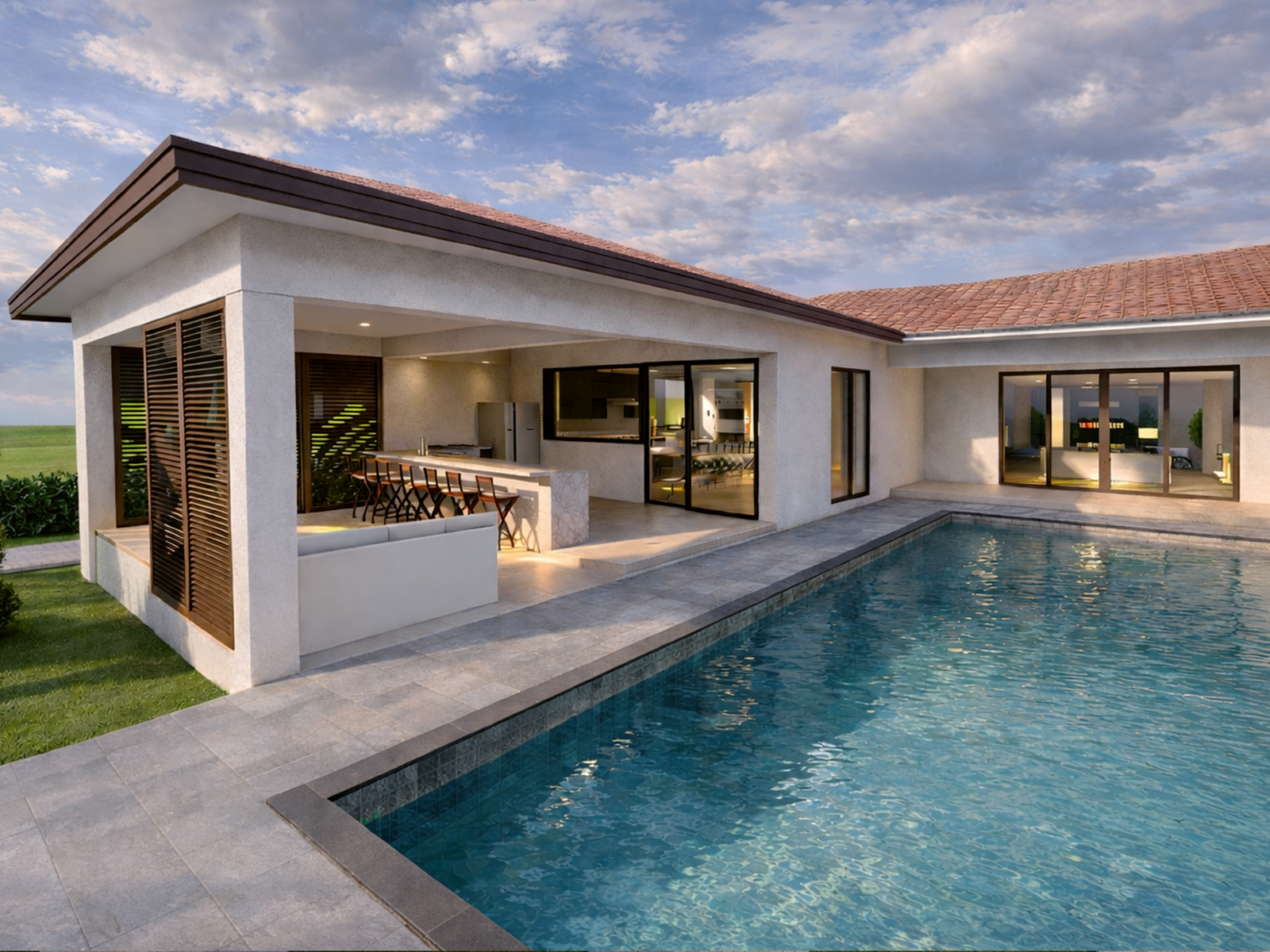
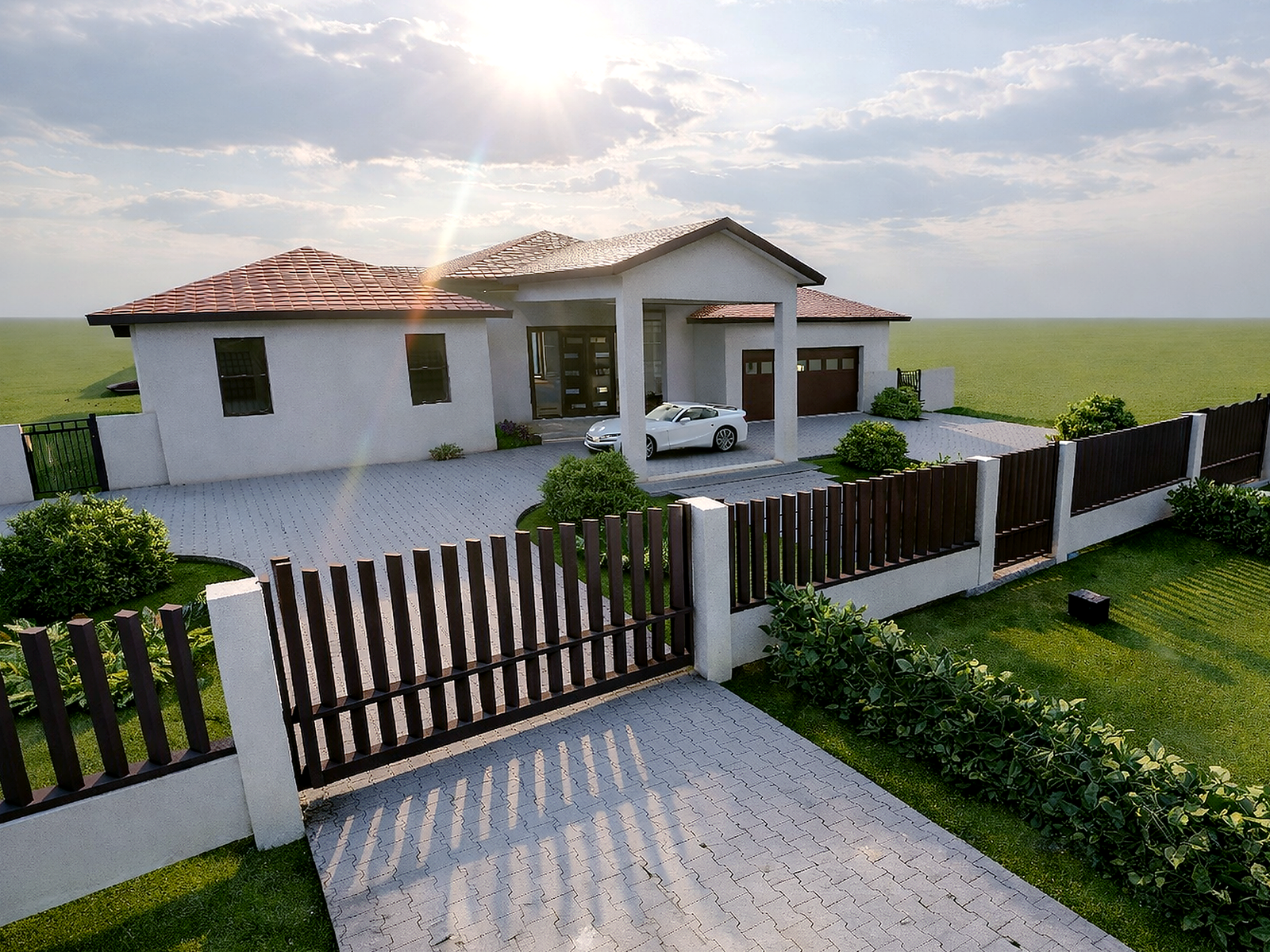
Project Gallery
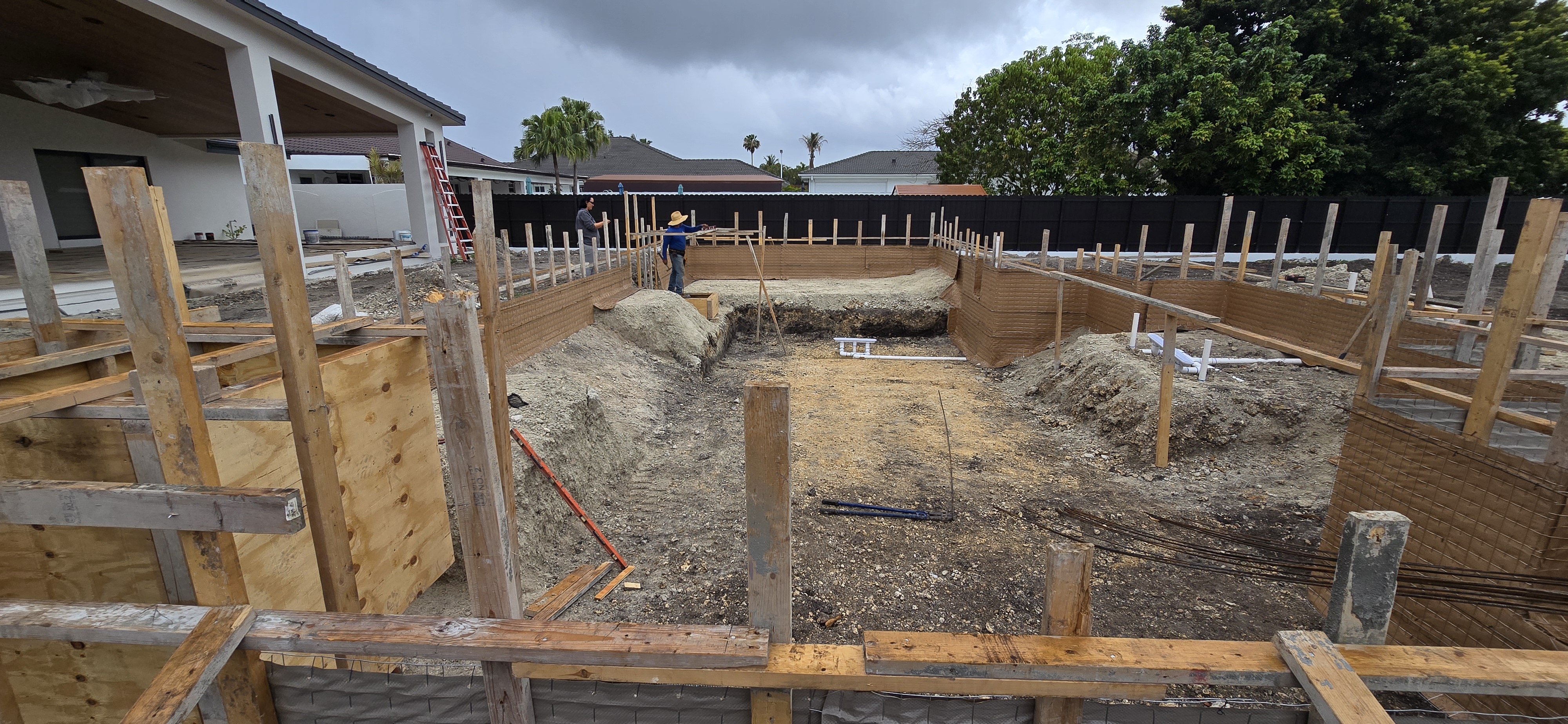
Structural Challenges and Design Solutions
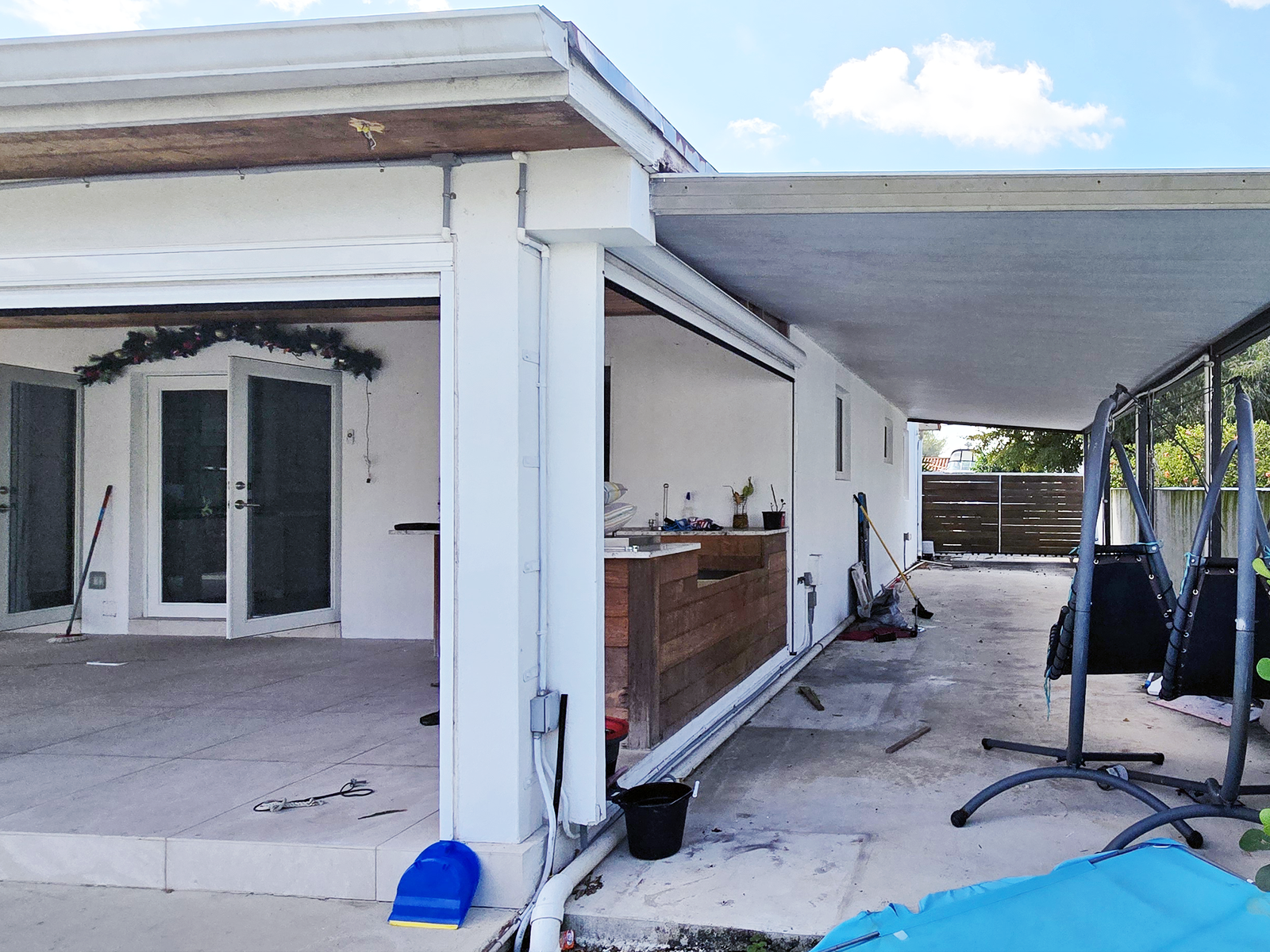
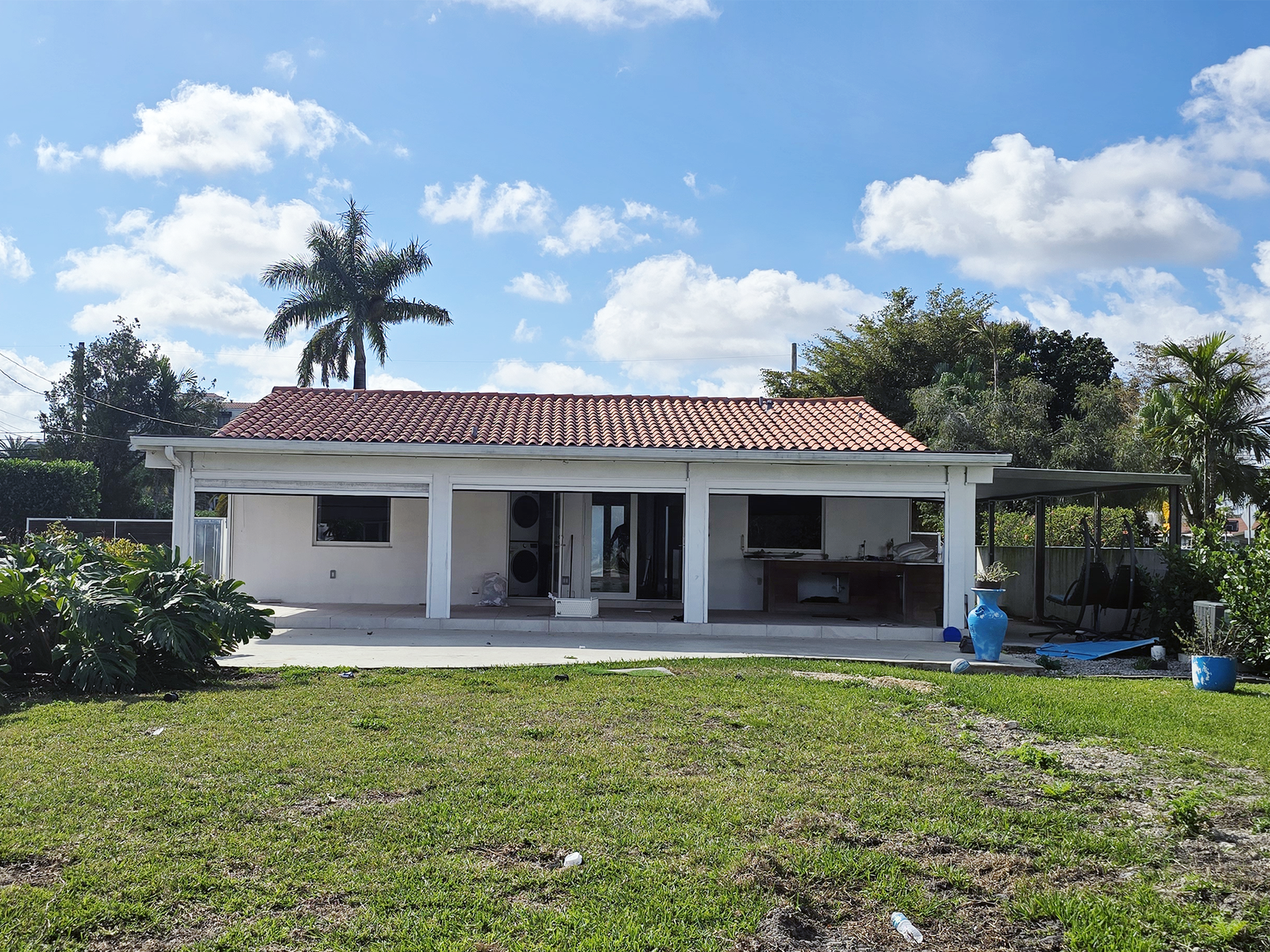
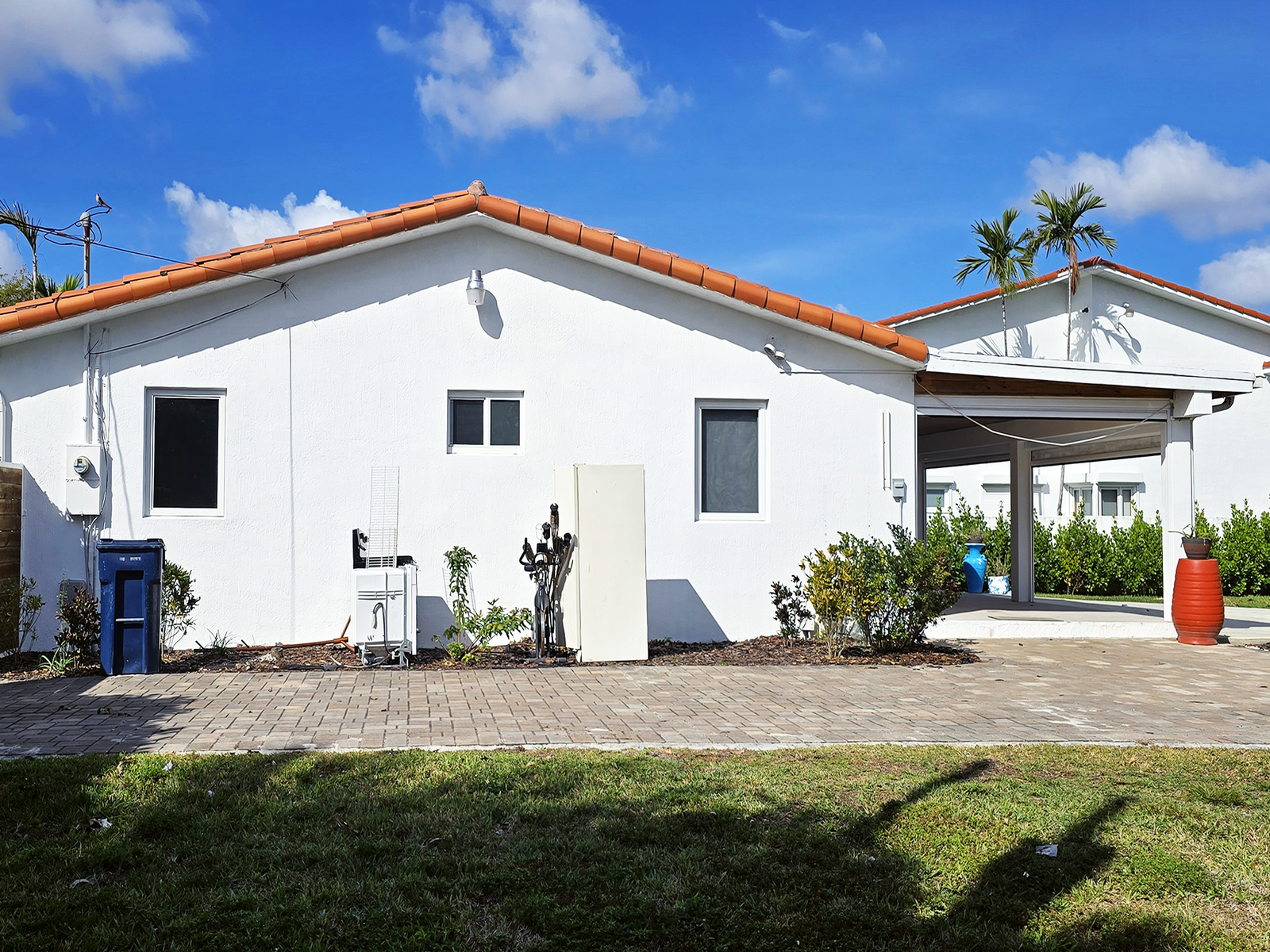
Structural Compatibility
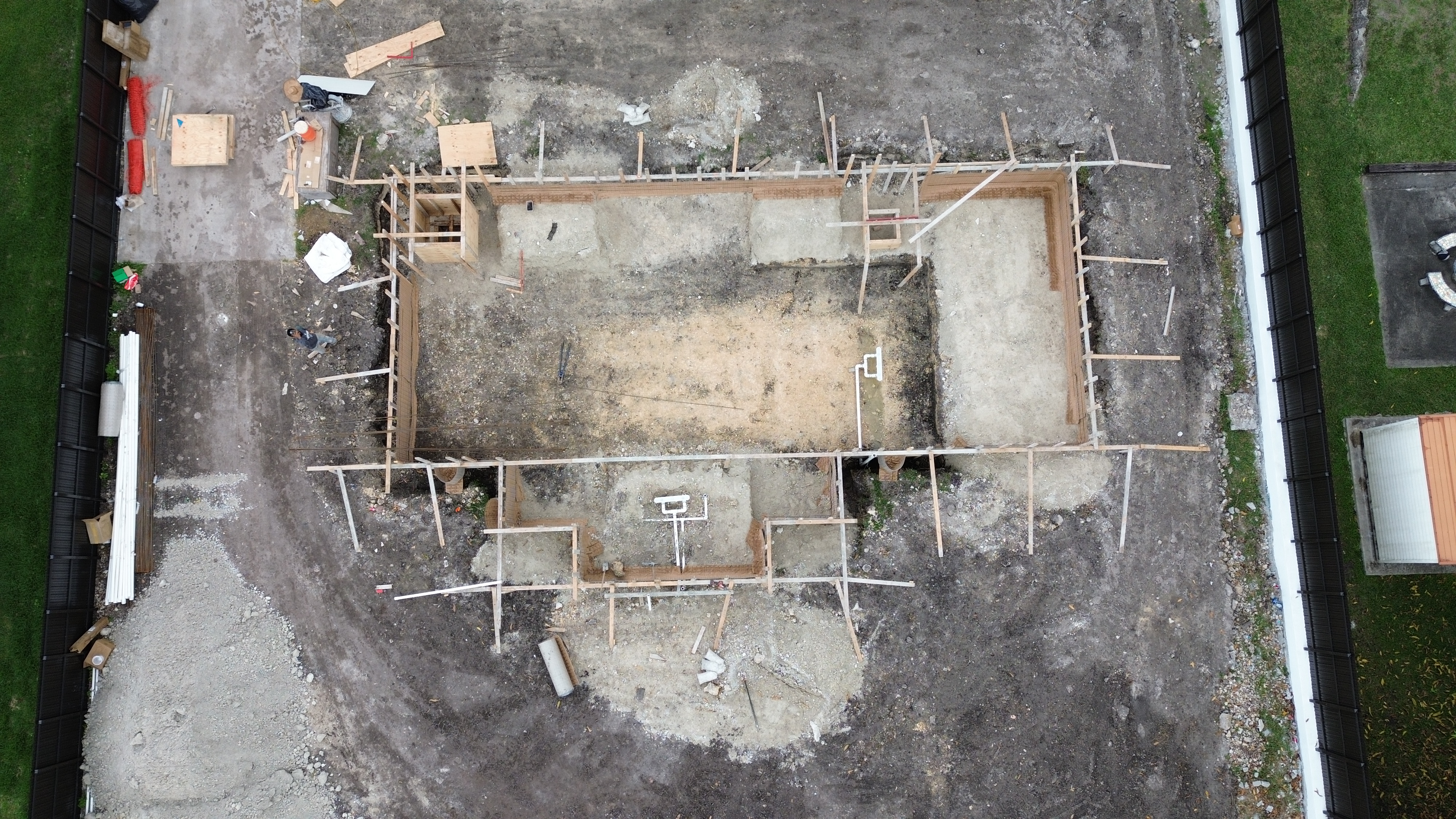
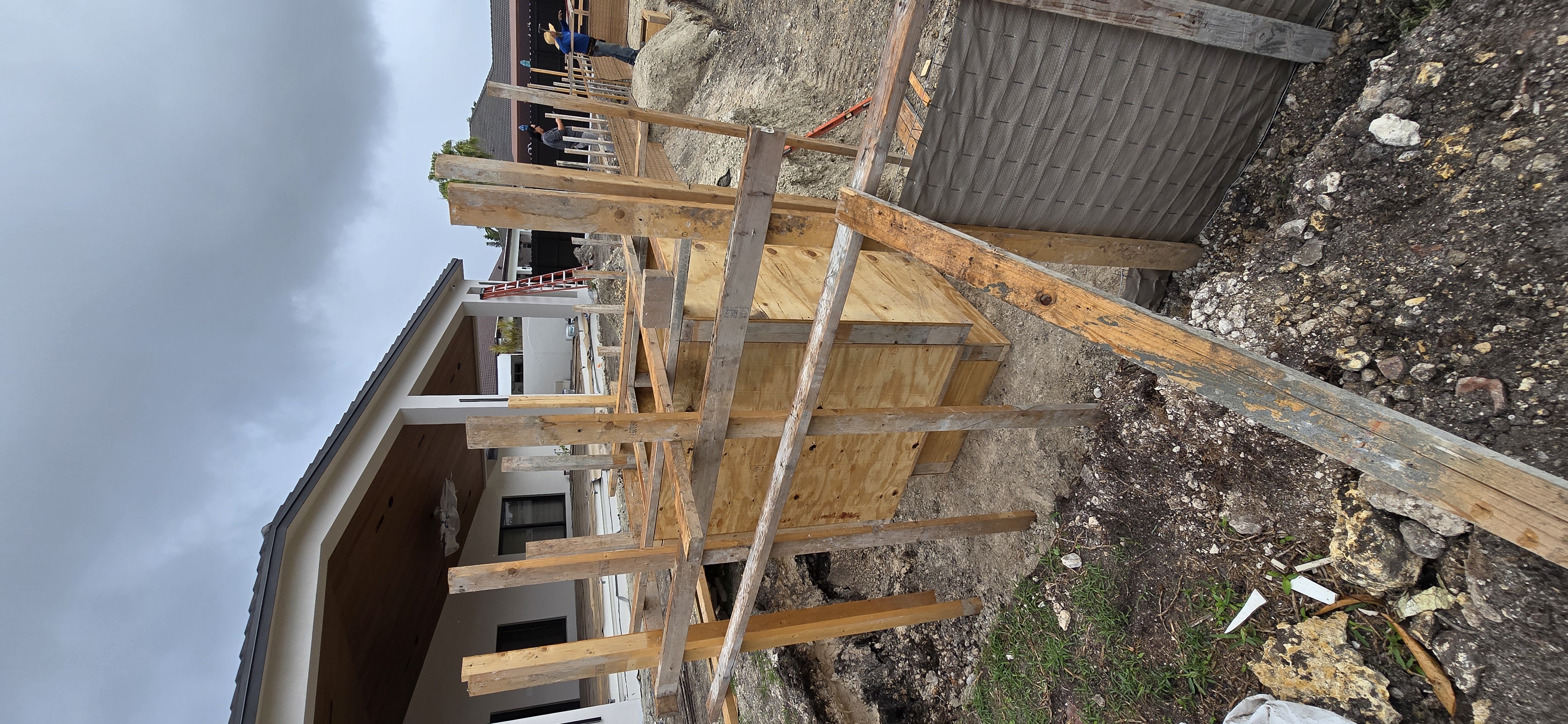
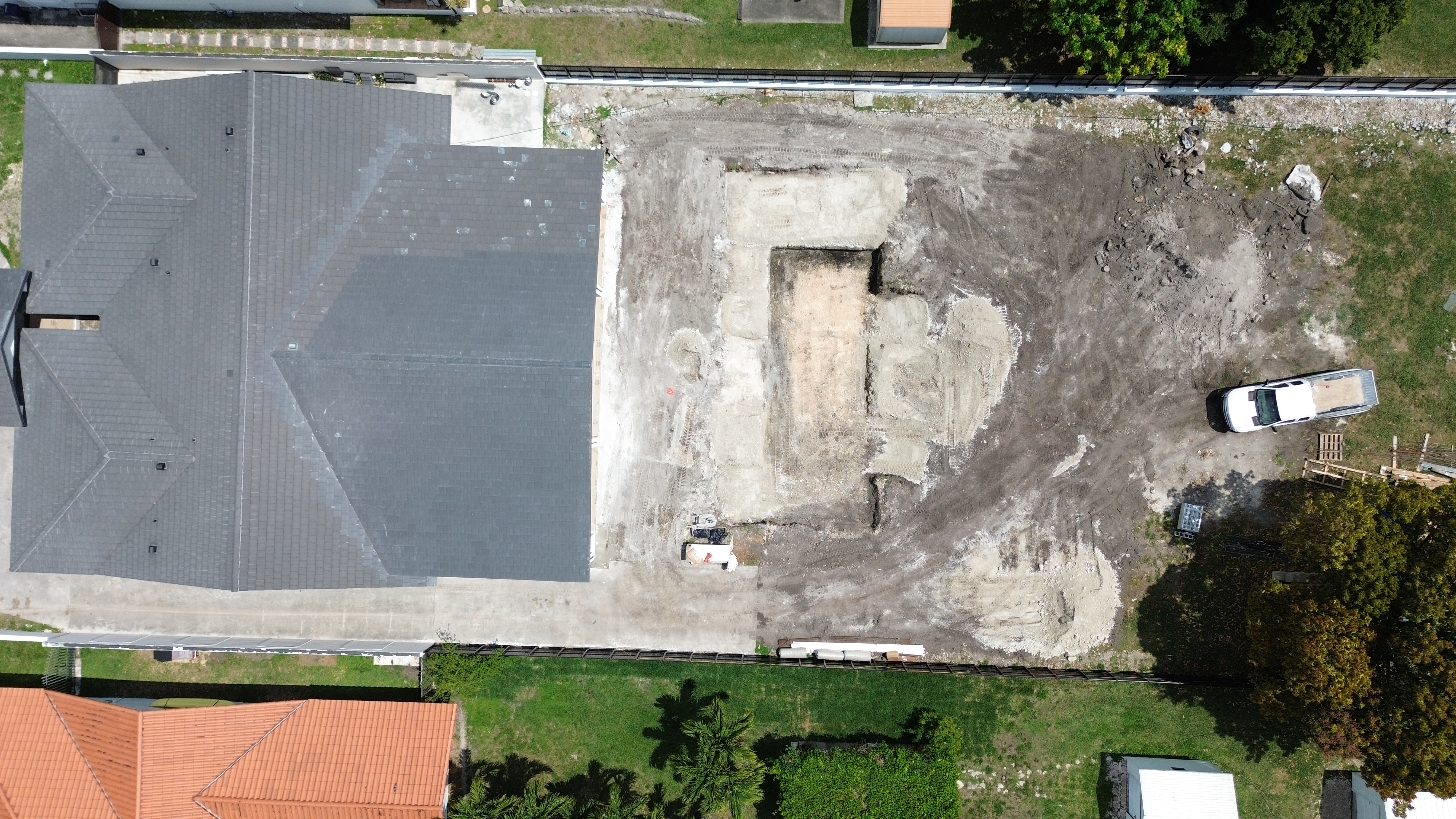
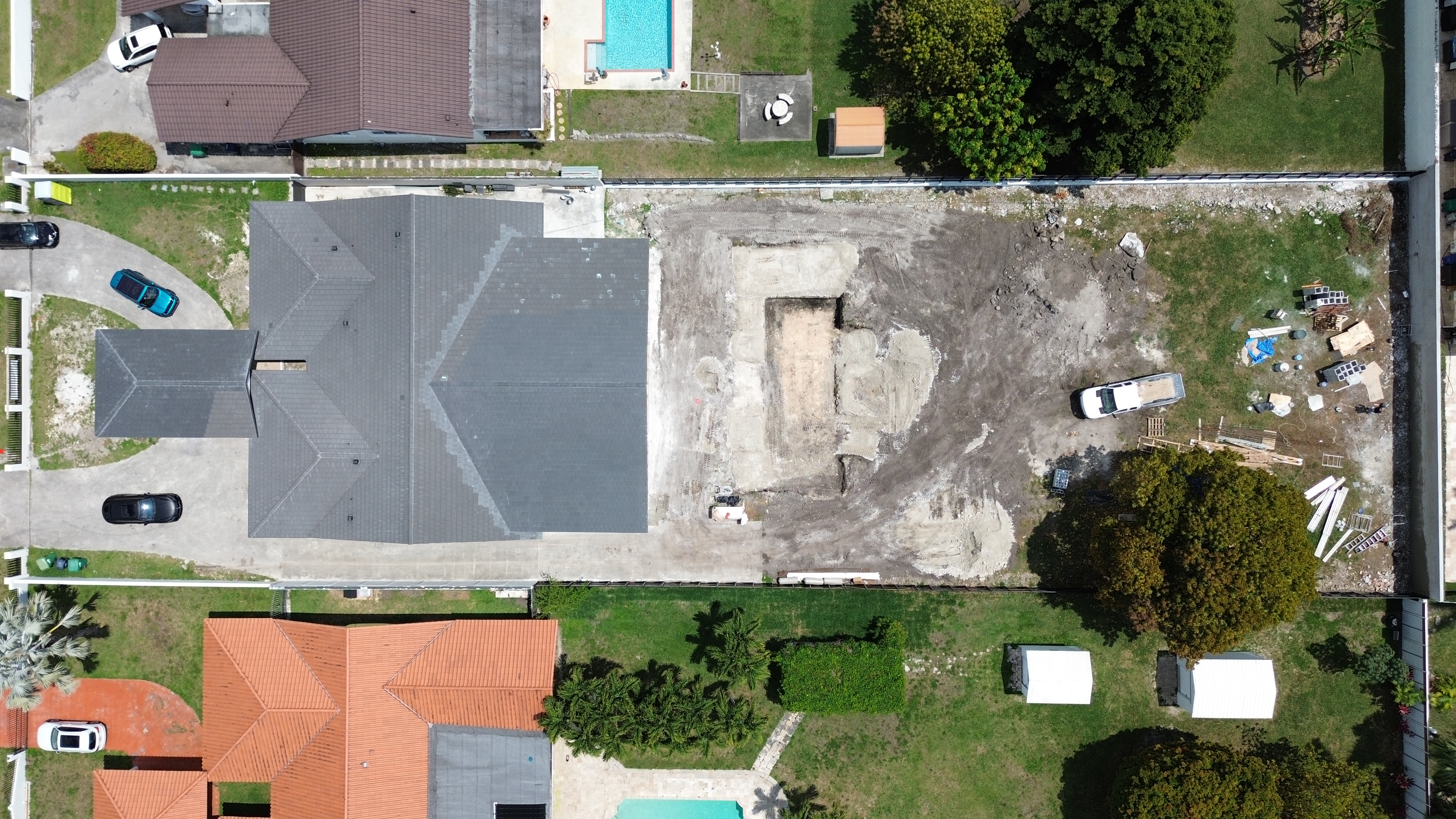
This indicator evaluates the project's ability to efficiently integrate the existing structural system with the new construction elements introduced through the expansion. Structural compatibility is achieved through a detailed analysis of the original load-bearing systems, an assessment of their load capacity, and the implementation of strategic reinforcements that allow the new structural framework to operate cohesively with the existing one. The objective is to ensure that both systems function as a unified structure, preventing structural stress, differential settlement, or inconsistent structural behavior between the original and newly built elements, thereby ensuring long-term safety, durability, and construction coherence.
Structural Continuity and Stability
This indicator measures the ability of the structural design to maintain efficient load transfer and overall stability in an intervention that combines an existing structure with a significant expansion. Structural continuity is achieved through the proper alignment of load-bearing elements, balanced distribution of vertical and lateral loads, and the incorporation of reinforcement systems that ensure consistent structural performance across the entire building. This approach allows the expanded residence to maintain stable structural behavior under permanent loads, live loads, and environmental conditions, ensuring long-term safety, structural integrity, and reliability.
Let’s Connect
Inspired by this project? Let’s create yours.
Share the details of your project and schedule a consultation at a time that works for you. We’ll review your goals, assess feasibility, and outline the next steps through a clear and structured process.